All Categories
Featured
Table of Contents
While performing an use test, one of the test subjects discussed after performing such a search and learning that it was not connected to his classification: "When I search when I remain in a classification then to me it seems logical to browse within that classification." When we value this user context, it's simple to understand how users make this conclusion.
This is especially crucial on mobile, when people are dealing with smaller sized screens and frequently wish to see a smaller sized subset of product alternatives. Mobile users must be able to pay in a streamlined way. During our functionality testing of mobile checkouts, we have actually observed that Payment Approach selection is a step where users frequently experience usability problems.
All of those options can be challenging to stabilize on a small screen, causing users ending up being overwhelmed and baffled. Explore Baymard's annotated examples that emphasize what 92 business are doing right and incorrect with their mobile payment options, and discover ideas on enhancing your mobile experience to get more conversions.
Designing Modern Landing Pages for ROI
It's clearly noticeable and separated from the remainder of the fields, but remains collapsed to reduce the focus and lower desertion. Our eye-tracking test sessions confirm that empty kind fields draw a disproportionate amount of user attention, and promotional fields, like "Voucher Code," will get discovered instantly if revealed by default within the normal circulation of form fields.

Once users see the coupon field, they will frequently feel like they are overpaying. As one subject mentioned: "I find it somewhat frustrating that they're flashing these coupon code fields as much as they do, since it resembles, 'You must have a voucher, you could get this cheaper if you understood this code' I don't." To resolve this, collapse all voucher and marketing fields behind links, and place those links secondary to the action's main purpose (e.g., listed below the charge card kind).
Make sure misspelled queries don't cause use concerns that trigger users to abandon the website. The goal of conversion rate optimization is to enhance the outcomes you're getting from your existing site traffic. With a strong ecommerce CRO technique, you can increase the number of conversions you get, whether you're looking for more clicks, sign-ups, or sales.
Making incremental modifications can lead to a significant earnings boost. Find out more about the UX design process. If you wish to improve conversion rate, then it ought to be tracked! To track an ecommerce website's conversion rate, you can use a series of analytics tools. While Google Analytics is the most popular option for website-specific information, there are many alternative techniques for measuring this vital metric.
Digital Growth Tactics Across Domestic Markets
a month or a year), divide the total variety of purchases made throughout that duration by the total number of visitors to your website. Several controllable factors can influence conversion rates, such as the design of your websites, the quality of your website material, and the pricing and quality of your services or products.
If you are receiving more traffic, but your conversion rate drops, this is likely due to the quality of that traffic. Often higher traffic does not always equate to more sales, suggesting that where that traffic comes from, and the intent of the site visitors, matters more than the traffic number itself.
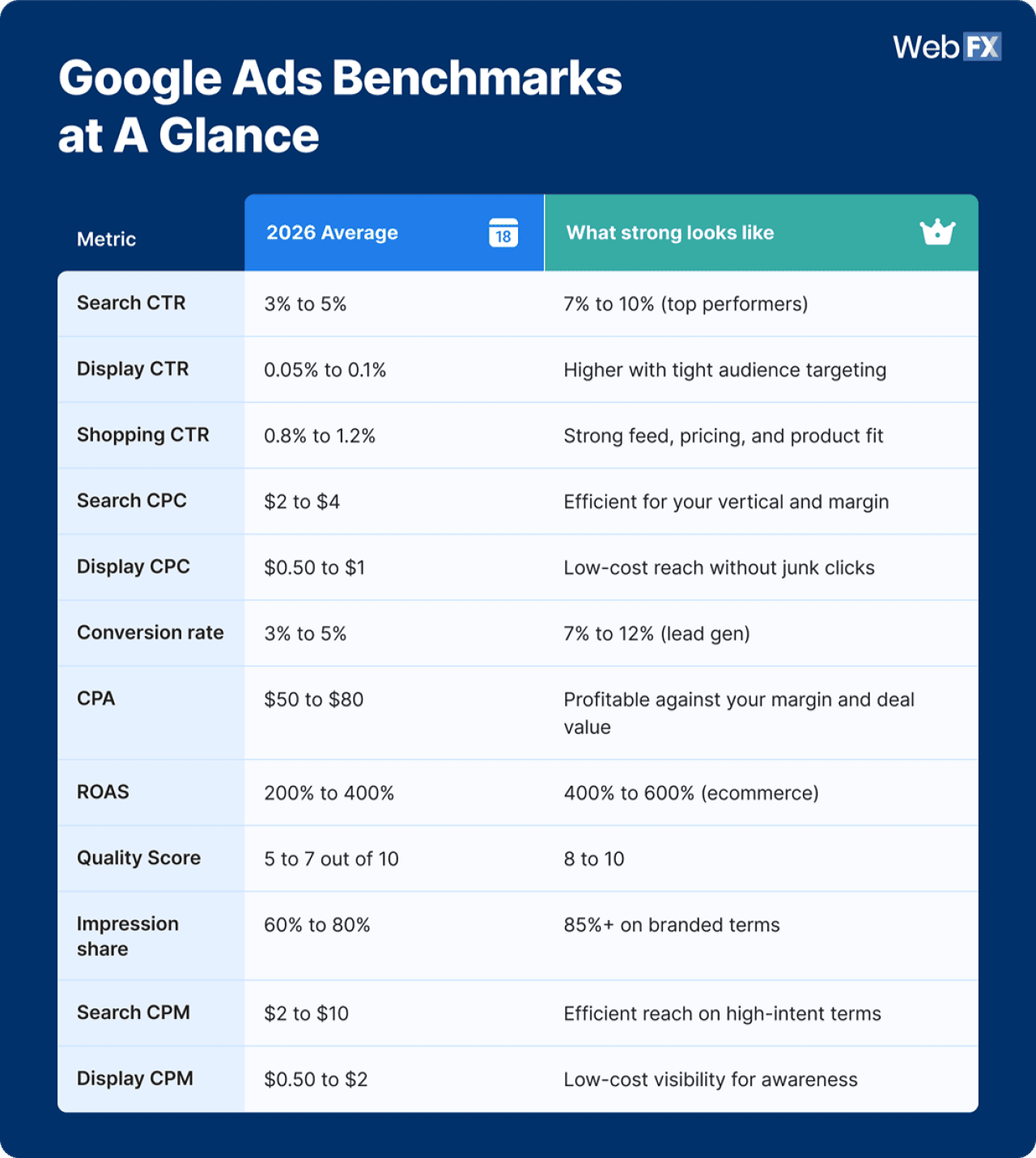
If there is a modification in the source of traffic, for example, from a social networks post that is promoting a sale, it may imply that your conversion rate boost together with the traffic numbers. Page speed plays a crucial function in conversion rates, as faster-loading pages provide a smoother user experience.
How Local Services Ads WorkIn addition to the methods above, Baymard's comprehensive UX research can help you improve your conversion rate and generate more sales by enhancing your user experience. Get Baymard Premium to get access to 700+ design standards and 275,000+ UX performance ratings insights already used by numerous of the world's leading websites.
How Local Services Ads WorkConversion rate optimization (CRO) is the process of enhancing a site or digital item to increase the portion of users who complete a wanted action, whether that's making a purchase, registering, reserving a demo, or relocating to the next action in a funnel. Generally, CRO has been defined as modifying elements on website pages to increase conversion rates.
Landing Page Tactics for 2026 Conversion Rates
It's about comprehending user habits, forming data-backed hypotheses, and running regulated experiments to learn what really works. That's where the modern view of CRO comes in. Teams test headlines, change CTA colors, or reduce types, hoping to enhance the portion of visitors who transform.
Without structure, this technique typically turns into uncertainty: little modifications, irregular results, and little long-lasting knowing. Which is why knowledgeable CRO professionals significantly choose another term: Experimentation is the process of screening data-driven hypotheses by running regulated experiments. Rather of asking, "How do we increase conversions?" the concern ends up being: "What do we think is avoiding users from converting, and how can we check that belief?" Experiments include altering particular components of a site or item in order to confirm (or invalidate) a clearly defined hypothesis.
One of the results of that knowing is frequently higher conversions. Conversion lift is a by-product, not the sole purpose. If you desire a deeper breakdown of how structured experimentation works in practice, we've detailed it step by step in our guide to building a product experimentation framework. At its core, experimentation relies on the clinical technique: Form a hypothesis based upon data Style an experiment to evaluate it Run the test Examine the results Apply the learning and repeat It's less about "enhancing pages" and more about building a repeatable system for making much better choices.
When CRO is decreased to "improving conversion rates," groups often: Run tests without strong hypotheses Change elements without determining impact Focus only on short-term gains Ignore why a variation won or lost But when CRO is approached as experimentation, it ends up being a discipline. A way to lower danger, change presumptions with evidence, and produce a culture where decisions are evaluated rather of discussed.
Top Conversion Tips for Better ROI
And that distinction shapes everything else in this guide.

Latest Posts
Effective Digital Growth Frameworks in US
How to Lower Your Costs Using AI Modeling
The 2026 Roadmap to Lower Costs